Simple Tips for Fluffy, Creamy Mashed Potatoes
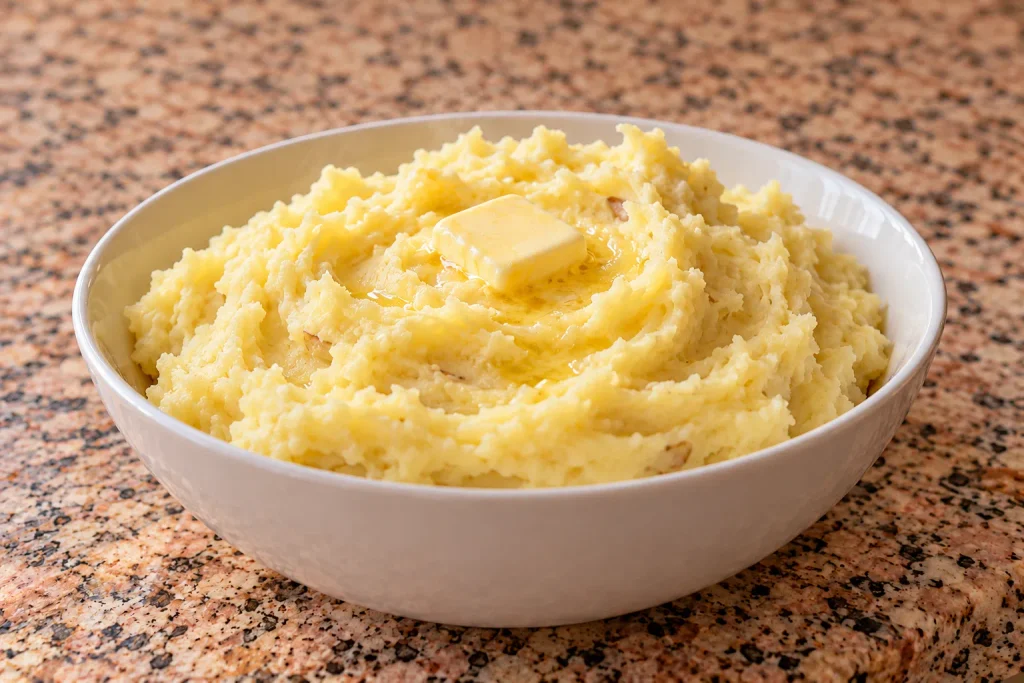
Picking the Right Potato for Fluffy Creamy Mashed Potatoes
Yukon Gold potatoes are my go-to for fluffy, creamy mashed potatoes. I love their flavor and the texture they give me. Russet potatoes also make great mashed potatoes when you follow these same tips.
Whichever you choose, a few small details help—from how evenly you cut the potatoes to the temperature of your butter and milk. You can also adjust the finished texture to suit your family, whether you prefer them completely smooth or with a few small lumps.
Cut the Potatoes into Even Pieces
After peeling my potatoes, I cut them into roughly 1-inch pieces. They do not have to be perfect. Just try to keep them close to the same size.
That helps them cook evenly. You do not want large chunks that are still firm while the smaller pieces are already overcooked.
Before cooking, check for pieces that look noticeably larger than the others and cut those down. Smaller, evenly sized pieces are also easier to work through when you begin mashing.
Check for Tenderness Before Draining
Start the potatoes in cold water so they heat along with the water. Use enough water to cover them, and cook at a steady simmer until tender.
Check more than one piece, including one of the larger pieces. A fork should go into the potato easily. If the middle still feels firm, give the potatoes more time before draining.
Trying to mash potatoes that are not fully cooked can leave hard lumps. Extra mixing will not fix an undercooked center, so checking them in the pot is worth the moment it takes.
Put That Warm Pot to Use
Drain the potatoes well, then return them to the warm cooking pot if it is safe to use with your mixer or hand masher.
The pot’s leftover heat helps keep the potatoes warm and evaporate moisture left after draining. Let them sit briefly, uncovered, so steam can escape before you start mashing.
Check your cookware before using an electric mixer in the pot. Metal beaters can scratch nonstick coatings, including Teflon, and damage other surfaces. A hand masher needs to be safe for the pot’s surface, too.
If your pot is not suitable, transfer the potatoes to a heat-safe mixing bowl. You can warm the bowl with warm water first, then empty and dry it thoroughly before adding the potatoes.
Soften the Butter First
Use softened, room-temperature butter or melted butter. Cold butter cools the potatoes while you are trying to mix everything together.
Have the butter ready before you start mashing. That way, you will not need to stop and soften it while the potatoes sit and lose heat.
Add it gradually and mix just enough to distribute it. Taste as you go so you can adjust the butter and seasoning to your preference.
Take the Chill Off the Milk
Use room-temperature or slightly warmed milk so it does not cool the potatoes too quickly.
Warm it in the microwave or in a small pan on the stove. It does not need to boil or get piping hot. Just take the chill off.
Add the milk a little at a time, mixing and checking the consistency between additions. You can always add more, but too much at once can leave the potatoes thinner than you intended.
Mix Gently for Fluffy Creamy Mashed Potatoes
I use an electric mixer, but a hand masher works well, too. Choose whichever you prefer and whichever is safe for your cookware.
With an electric mixer, start on low and stop when you reach the texture you like. Too much mixing can make potatoes sticky or gluey. Avoid continuing to beat them simply because a few small lumps remain.
If you use a hand masher, work through the pieces until you are happy with the texture.
Taste Before Serving
Once the butter and milk are incorporated, taste the potatoes before adding more seasoning. Salted butter can affect how much additional salt you need.
These tips also help prepare the mashed potatoes for my PA Dutch Potato Filling recipe. Follow that recipe’s quantities and directions when making the filling.